
Last updated 27 November 2026
Plan for screens, glare and steady temperatures from the outset
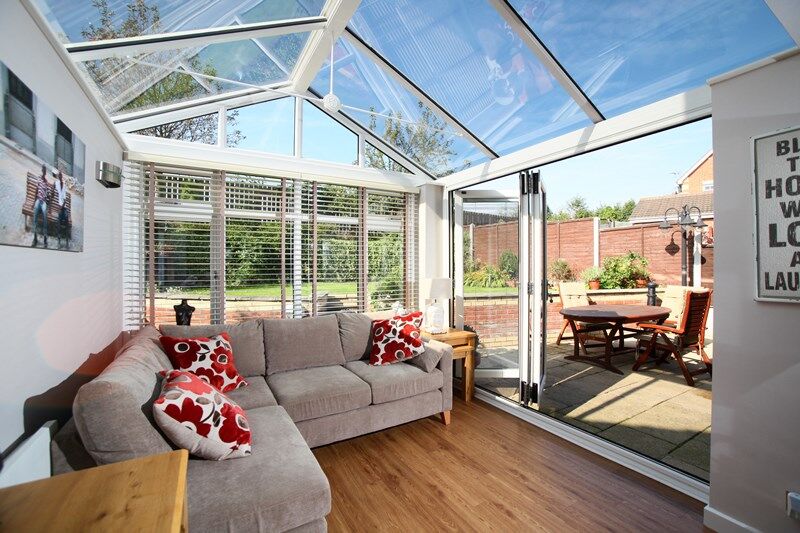
A bright conservatory looks like an ideal place to work, with daylight and a view of the garden. Yet screens, video calls and long hours at a desk ask different things of a room than an afternoon with a book. This guide looks at what to plan for if a new or existing conservatory is going to double as a home office.
At a glance
- Light is the big advantage, and the big challenge
- Roof choices for a workspace
- Keeping the temperature steady
Light is the big advantage, and the big challenge
Daylight is pleasant to work in and can make a long day feel less closed in. The difficulty is glare. Sunlight falling across a laptop screen or reflecting off glass behind you on a call makes the room tiring to use. Direction matters: a north-facing conservatory gives steadier, softer light, while south and west aspects bring strong afternoon sun.
Plan where the desk will sit before choosing the layout. Facing a solid wall, or sitting side-on to the main glass, generally reduces glare. A section of solid wall or a dwarf wall where the desk goes can give you somewhere to put the screen without bright glass behind it.
Roof choices for a workspace
The roof has a large influence on how usable the room is through the day. A glass roof floods the space with light but can overheat on bright days, even with performance glass. A solid or tiled roof gives a more room-like feel, with steadier temperatures and better sound damping, while windows in the walls still provide plenty of daylight.
If you already have a conservatory with a polycarbonate or older glass roof, upgrading the roof can be the most effective change for a home office. Our guide on whether to replace the roof or the whole conservatory helps you weigh that decision, and the tiled vs glass roofs guide compares the main options.
Keeping the temperature steady
An office needs a comfortable temperature for hours at a time, not just at the warmest part of the day. Good insulation in the roof, efficient glass and well-sealed frames reduce the swings between chilly mornings and hot afternoons. Opening windows and roof vents let you clear heat quickly when the sun comes round.
Heating should be planned too. Rather than relying on a portable heater, think about how the room will be kept warm in winter, and whether that needs to tie in with the house. Our guide to a conservatory being too hot or too cold covers the wider comfort issues, many of which are sharper when someone is sitting still at a desk.
Sound for calls and concentration
Rain drumming on a light roof is charming on a Sunday but distracting on a video call. Solid roofs and well-insulated glass roofs are quieter than thin polycarbonate. Inside, hard floors and large areas of glass can make the room echo, which colleagues may hear through your microphone.
Soft furnishings, a rug and shelves of books all help absorb sound. If outside noise from a road or neighbours is a concern, glass chosen for acoustic performance can help. The noise reducing glazing guide explains how that glass works and where it makes most difference.
Power, internet and practical details
Think about where sockets will be needed for a desk, a lamp, a printer and chargers. Trailing extension leads across a conservatory floor are untidy and a trip hazard. Electrical work should be planned and carried out properly by a qualified electrician, ideally before flooring and furniture go in.
Wi-Fi can be weaker in a conservatory because it sits at the edge of the house. Check the signal early, and consider whether a wired connection or a better router position would help. Small details like a place for files and a door you can close between the office and the house make the space feel more like a proper room.
Furniture and layout that work
A desk in a conservatory works best against a solid section or dwarf wall, with storage that does not block light from the glazing. Choose a chair and desk that can stay in place without blocking the route to the garden door, and leave space for a second person to pass. Blinds can help with glare, though they are an addition rather than a substitute for the right roof and glass.
Plan a spot for a lamp too, because winter afternoons get dark early even in a bright room.
Planning rules and the separating door
A conservatory used as an office remains a conservatory for most planning and building regulation purposes, provided it stays separated from the house by external quality doors or windows. Removing that separation or adding heating linked to the main system can change the position. Our conservatory planning permission and building regulations guide covers this.
If you are designing a new conservatory with a home office in mind, say so at the start. County Windows designs and fits conservatories across South Devon, and you can request a free quote to discuss layout, roof and glass for a room you can work in comfortably.
Sources and further reading
Discuss your home with County Windows
Explore our conservatories or request a quotation for your property. Explain your priorities and the condition of the existing openings so the survey can establish an appropriate specification.