
Last updated 26 November 2026
Use the clean lines of the house as the starting point
Homes built in the 1960s and 1970s often have large picture windows, horizontal emphasis and simple, square openings. Many still have their first replacement windows from decades ago, which may now be tired. These houses can look excellent with modern frames when the choices respect their clean, horizontal design. This guide explains how to approach the job.
At a glance
- Common features of post-war houses
- Working with wide picture windows
- Aluminium or uPVC
Common features of post-war houses
Houses from this period frequently have wide window openings, sometimes running most of the width of a room, with a mix of fixed panes and smaller opening lights. Tile-hung or timber-clad panels below or between windows were popular, as were full-height glazing beside front doors and simple flat-roofed porches or canopies.
Original frames were often slim timber or aluminium, and many were replaced in later decades with early uPVC that has since yellowed, become draughty or lost its seals. Understanding the original intent of the design helps you choose replacements that look as though they belong rather than fighting the architecture.
Working with wide picture windows
Large picture windows are one of the best features of a post-war home, flooding living rooms with daylight. When replacing them, the aim is usually to keep the glass area generous and the frames as slim as practical. Deciding which sections need to open and which can be fixed affects both ventilation and the clean look of the elevation.
Very wide openings may need to be split into sections for manufacture and fitting, and the survey should check the lintel above, since some openings from this era carry load across a wide span. Planning the division of panes carefully avoids heavy vertical frames in awkward places.
Aluminium or uPVC
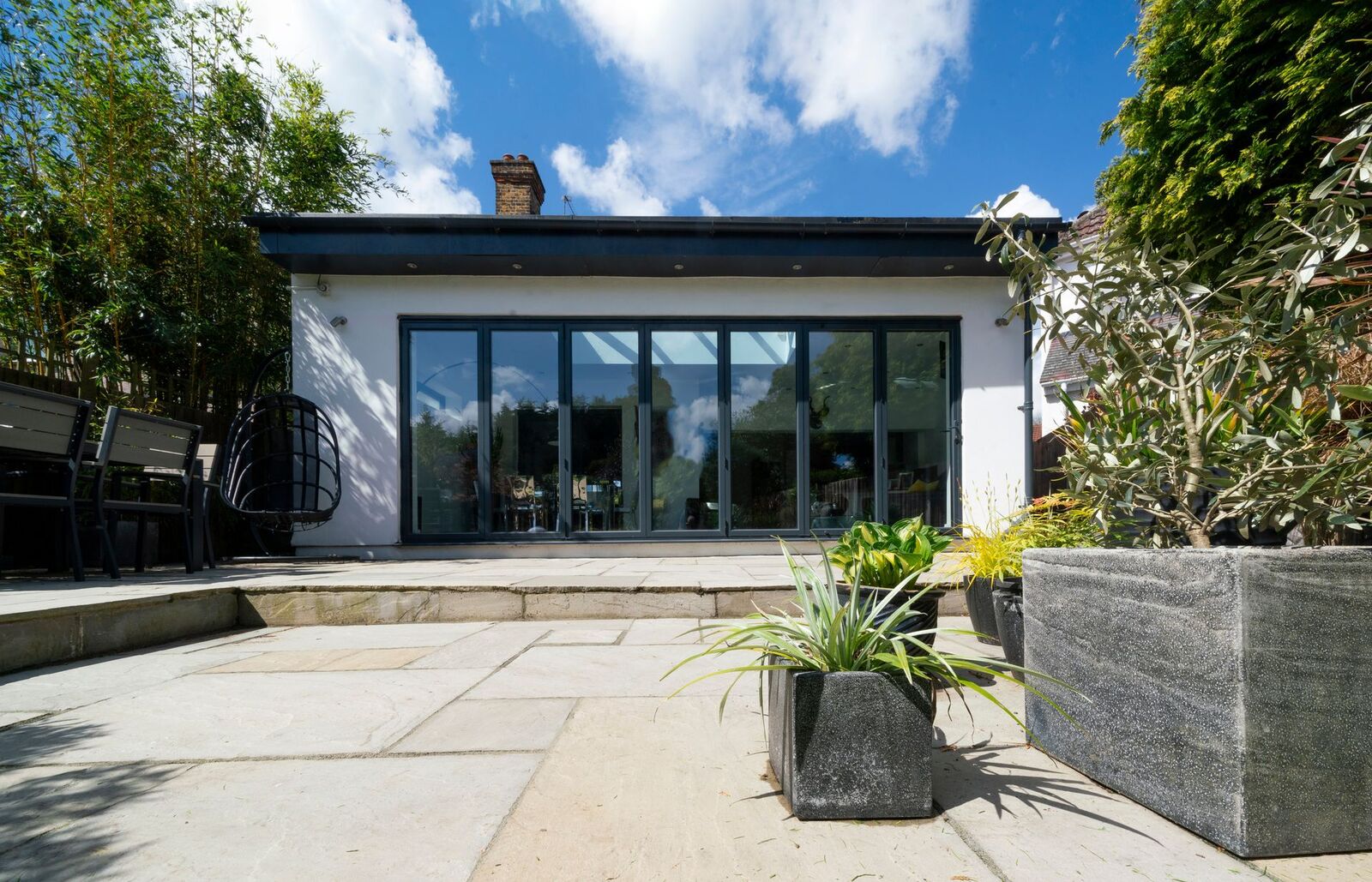
Aluminium suits many 1960s and 1970s houses because its slim frames echo the original metal windows some of them had. Powder-coated colours such as anthracite or black give a crisp, mid-century feel. Our aluminium windows page explains the options, and the uPVC versus aluminium guide compares the two materials in more detail.
uPVC is also a strong choice, particularly in grey or other colours that move away from the white plastic look of earlier replacements. Modern profiles can be slimmer and better insulated than the first generation of uPVC windows. The best material for your home depends on budget, style and how much frame you are happy to see.
Panels, cladding and the surrounds
Below many post-war windows sits a panel of tiles, timber cladding or an infill board. When the windows are replaced, it is worth looking at what happens to those panels, because they are part of the same elevation. They can sometimes be kept, but in other cases replacing the window and the panel arrangement together gives a cleaner finish.
Discuss the panels at the survey so the quotation is clear about what is included. A tired infill panel next to a new frame can spoil the effect, while a matched, coordinated finish can make the whole house look refreshed rather than patched.
Front entrances and glazed screens
The front entrances of many 1960s and 1970s houses include a door with a tall glazed side screen, sometimes reaching from floor to ceiling. Replacing the whole entrance as one unit gives the best result. Glazing near doors and at low levels must be safety glass, and the survey will confirm which panes require it.
A modern composite door with matching glazed side panels can transform these entrances while keeping the open, light feel. Our guide to front doors with side panels covers layout choices, and the composite doors page shows the styles we install.
Improving comfort
Older double glazing from the 1980s and 1990s may have lost much of its insulating ability through failed seals, worn gaskets or basic glass. New units with modern coatings and warm-edge spacers can improve comfort and reduce condensation. Our window energy ratings guide explains how to compare performance across products.
Post-war houses with large windows can overheat in sunny rooms and lose warmth in winter, so the type of glass matters. Talk through the orientation of each room at the survey, and consider how ventilation will work, particularly in kitchens and bathrooms that may not have extractor fans.
Planning the change
Look at the house from across the road and notice its strongest lines: the horizontal bands of windows, the roofline and the entrance. Choose frames, colours and glazing layouts that strengthen those lines. Avoid adding period details such as Georgian bars that clash with the modern design unless they were part of the original house.
A free survey gives you the chance to discuss materials, colours and how to divide wide openings. Our uPVC windows and aluminium windows pages show the ranges we fit. Bring photos of similar houses you admire so we can see the effect you are hoping for.
Sources and further reading
Discuss your home with County Windows
Explore our uPVC windows or request a quotation for your property. Explain your priorities and the condition of the existing openings so the survey can establish an appropriate specification.